Card Theft Basics
Card theft usually starts with data collection and ends with payment attempts that pass the right checks. Attackers may target the card number, the BIN (the first 6–8 digits that identify the issuing bank and card type), and the CVV (the card verification value). Even when CVV is not stored by merchants, it can still be harvested through phishing, malware, or compromised checkout pages. A common pattern is “test and refine”: attackers try small batches, then scale once they see which attempts succeed.
BIN knowledge matters because it narrows the search space. If a stolen dataset includes only partial numbers, BIN can help attackers guess the remaining digits and route attempts through the right payment rails. CVV matters because many online transactions include a CVV check, which reduces fraud when the CVV is correct. Tokenization changes the picture by replacing card data with a token, but tokenized payments can still be abused when tokens are stolen, reused, or generated in unsafe contexts.
Common Failure Points
People often assume that “tokenized” means “safe from misuse,” which is not always true. Tokenization reduces exposure of raw card numbers to merchants, but it does not automatically stop fraud if an attacker obtains a valid token or tricks a payment flow into generating one. Some token systems are device-bound or merchant-bound, while others are reusable within constraints; the exact behavior depends on the payment network and the token service.
BIN and CVV get treated as separate risks, yet they interact in real attacks. BIN can help attackers identify which issuer rules apply, which can affect authorization outcomes. CVV checks can block many attempts, but CVV can still be captured during card entry or through compromised systems. If a checkout page is tampered with, the attacker may collect the full card data and CVV before any tokenization step occurs.
Supporting technologies also shape outcomes. 3-D Secure (3DS) adds an authentication step, but it varies by region, issuer policy, and risk scoring. Fraud detection systems use signals like device fingerprints, velocity checks, and address verification; attackers try to bypass these by using automation and “fresh” identities. In practice, the weakest link is often not the payment protocol itself, but the path where card data is entered or stored.
Safer Payment Choices
Reduce Card Data Exposure
Use payment methods that minimize direct card entry on untrusted pages. When a wallet offers tokenized payments, prefer it over typing card details into a merchant form. If you must enter card data, use sites with strong transport security (HTTPS) and avoid entering card details from links in unsolicited messages. A small aside: in my own review of common fraud checklists, the step people skip is verifying the destination domain before typing card data; that single habit blocks many phishing flows.
For online shopping, consider setting up alerts for card-not-present transactions. Many issuers provide notifications within minutes, which helps you respond before attackers repeat attempts. If your issuer supports it, enable transaction controls such as temporary limits or “online only” toggles; the exact options vary by bank and country.
Understand BIN and CVV Checks
Know what the checks do so you can interpret outcomes. BIN identifies the issuer and card product, which can influence authorization rules. CVV checks typically validate the verification value during card-not-present transactions; a mismatch often leads to declines. Attackers still try because some merchants and payment flows do not enforce CVV consistently, and some attempts may succeed when the CVV is correct.
When you see a decline, it does not prove your data is safe. It can mean the CVV was wrong, the risk score was too high, or the issuer blocked the attempt. When you see repeated declines from the same card, it can indicate ongoing testing; contacting your issuer quickly can stop further attempts.
Use Tokenization With Limits
Tokenization reduces exposure of raw card numbers, but you should treat tokens as sensitive credentials. If a token is created after you authenticate on a device, an attacker still needs access to the token generation context or the token itself. Use device security controls such as a strong device passcode and OS-level protections, because token theft often depends on compromised devices or session hijacking.
Check how your wallet behaves across devices. Some wallets require re-authentication for new device pairing, while others allow smoother transfers after verification. A practical detail: on iOS, wallet and payment apps often rely on Face ID/Touch ID prompts; on Android, they rely on device unlock and secure elements. If you disable those prompts for convenience, you reduce friction for an attacker who already has device access.
Respond Fast to Suspicious Activity
Act on alerts immediately. If you receive a notification for a transaction you did not authorize, contact your card issuer and request a fraud review or charge reversal process. Ask whether the issuer can block further card-not-present attempts and whether a replacement card is needed. Keep records: transaction IDs, timestamps, and screenshots of the merchant name as shown in the app.
If you suspect your card data was exposed through a specific merchant or checkout page, stop using that merchant account until you confirm the issue. Change passwords for the merchant account and your email account, then enable multi-factor authentication. A mild frustration: many people change only the merchant password, then leave the email account unchanged, which keeps the door open for password reset attacks.
Educational Case Examples
Phishing Harvests CVV
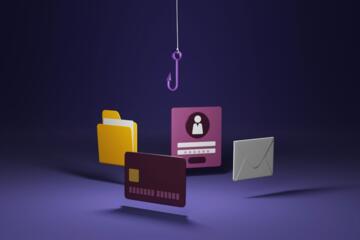
An anonymized scenario: a consumer receives an email claiming a shipping delay and clicks a link that looks like a carrier site. The fake page asks for card number, expiry, and CVV, then redirects to a “confirmation” screen. The issuer later declines several small online attempts, but one attempt succeeds because the CVV was captured correctly. The consumer reports the fraud within hours, and the issuer blocks further attempts and issues a replacement card.
What to learn: CVV capture can happen before any tokenization step, so wallet use helps only when the attacker cannot reach the card entry form. The early declines show testing, not safety.
Token Reuse After Account Takeover
An anonymized scenario: a consumer’s online account is accessed through a reused password. The attacker adds a payment method and completes purchases using the account’s saved payment flow. The card number is not visible to the attacker, but the payment succeeds because the attacker controls the account session and can trigger tokenized payments. After the consumer notices charges, they regain account access, remove payment methods, and request issuer review.
What to learn: tokenization does not stop fraud when the attacker controls the account that authorizes payments. Session security and account protection matter as much as payment protocol details.
Tokenized vs Raw Checks
| Risk Area | What Attackers Target | What Defenses Usually Do | What You Can Do |
|---|---|---|---|
| BIN | Issuer identification to narrow guesses and routing | Issuer rules and risk scoring still gate authorization | Avoid entering card data on links from unsolicited messages |
| CVV | Verification value to pass card-not-present checks | CVV mismatch often triggers declines | Use wallets to avoid typing CVV; report repeated declines |
| Tokenization | Valid tokens or session access to trigger payments | Reduces exposure of raw card numbers to merchants | Secure device and account sessions; remove saved payment methods after takeover |
| Account Control | Ability to authorize purchases from a logged-in session | MFA and risk checks can block suspicious logins | Enable MFA on email and merchant accounts; use unique passwords |
Common Mistakes
One frequent mistake is treating “tokenized” as a reason to reuse weak passwords. If an attacker gains account access, they can trigger tokenized payments from within the session. Another mistake is assuming that a single declined transaction means the card is safe; testing can continue with different merchants, amounts, or devices.
People also misread BIN-related information. BIN is not a “security feature” you can verify as a consumer; it is a classification signal used by issuers and networks. If a site asks for more data than expected, such as full card details on a page that does not need them, you should stop and use a different checkout path.
A practical aside: many browsers store autofill data, and some users keep autofill enabled even on shared computers. That habit can turn a “one-time” phishing attempt into repeated exposure. On a shared device, disable autofill or use a separate browser profile; I have seen fraud reports where the same card details were repeatedly submitted because autofill kept reusing them.
FAQ
Does BIN Theft Work Without CVV?
BIN alone usually cannot complete a card-not-present payment because authorization typically depends on the full card number and verification checks. Attackers may still use BIN to target issuers and tune attempts, but CVV capture or other verification bypasses are commonly needed for successful transactions.
Can Tokenized Payments Still Be Stolen?
Tokenized payments can be abused if an attacker obtains a valid token or controls the account/device that triggers token generation. Tokenization reduces exposure of raw card numbers to merchants, but it does not stop fraud caused by account takeover or compromised devices.
Why Do Some Transactions Decline With Correct CVV?
Declines can occur due to issuer risk scoring, velocity limits, device reputation, mismatched billing details, or 3-D Secure authentication outcomes. A correct CVV does not override other authorization controls.
What Should I Do After a Fraud Alert?
Contact your card issuer using the number from the back of the card or the official app, report the unauthorized transaction, and ask about blocking further card-not-present attempts. Change passwords for the affected merchant account and your email account, then enable multi-factor authentication.
How Can I Reduce CVV Exposure Online?
Use a payment wallet that tokenizes the payment and avoids typing CVV into merchant forms. When entering card details manually, avoid links from unsolicited messages and verify the destination domain before submitting.
Author's Insight
Payment fraud prevention depends on multiple layers: card verification checks, issuer risk scoring, and authentication steps like 3-D Secure. Tokenization reduces raw card-number exposure, but it does not remove the need for strong account and device security. BIN and CVV details matter because they influence how attackers narrow attempts and how issuers decide whether to authorize. When evidence is limited, the safest consumer approach is to reduce card-data entry on untrusted pages, secure email and merchant accounts, and respond quickly to alerts.
Key Takeaways
- BIN helps attackers narrow targets; CVV helps them pass card-not-present checks; both can be harvested through phishing or compromised pages.
- Tokenization reduces exposure of raw card numbers, yet fraud still happens when tokens or payment-triggering sessions are stolen.
- Secure email and merchant accounts with MFA, because account takeover can authorize tokenized payments.
- When you see suspicious activity, contact your issuer fast and document timestamps and merchant names for the fraud review.