Popular Articles
 Safety
29.09.2026
Safety
29.09.2026
Home Escape Routes: Two-Exit Rule and Evacuation Timing
This guide explains how to plan home escape routes using the two-exit rule and practical evacuation timing. It helps households reduce confusion during smoke or fire by mapping doors, windows, and meeting points. Readers learn common planning mistakes, how to test routes without risking anyone, and what to do when a primary exit is blocked. The article also includes realistic scenarios, a checklist, and answers to frequent questions for families and caregivers.
 Safety
23.09.2026
Safety
23.09.2026
Storm Prep: Roof, Window and Garage Door Weak Points
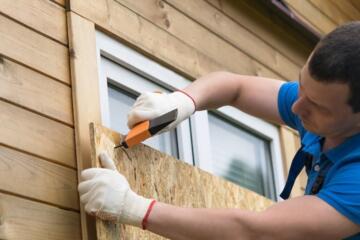
Storm prep focuses on the building parts that fail first in wind-driven rain: roof edges, roof penetrations, windows, and garage doors. This guide helps homeowners and renters spot common weak points, understand why failures happen, and choose practical checks before the weather turns. You’ll learn what to inspect, which measurements matter, how to stage supplies, and what to document for insurance—without relying on guesswork.
 Safety
17.09.2026
Safety
17.09.2026
Generator Safety: CO Clearance Distances and Load Limits
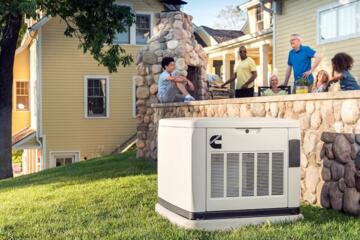
Running a portable or standby generator at home is useful—but only if you take carbon monoxide and electrical loading seriously. This guide explains why CO “clearance distances” matter, how fumes can drift back into a house, and what safe placement typically looks like around doors, windows, vents, and garages. It also breaks down generator load limits in plain language, including the difference between running watts and starting (surge) watts. You’ll learn how to plan what you can power, size extension cords correctly, balance appliance loads, and avoid the common mistakes that lead to CO exposure, damaged equipment, or constantly tripped breakers.
 Safety
11.09.2026
Safety
11.09.2026
Window Security: Lock Types and Forced-Entry Weak Points
This guide explains how window locks work and where forced entry often starts. It’s for homeowners, renters, and landlords who want practical steps to reduce break-ins without guessing. You’ll learn common lock types, the weak points attackers target, and how frame material, glazing, and installation quality change outcomes. The article also includes realistic scenarios, a decision checklist, and a short FAQ to help you choose upgrades and verify results.
 Safety
05.09.2026
Safety
05.09.2026
Door Security: Strike Plates, Screws and Frame Strength
Door security depends on how the latch meets the door frame. This guide explains strike plates, screw types, and frame strength so you can judge weak points in common entry doors. It helps homeowners and renters understand why “longer screws” alone often fail, how to check alignment and mounting, and what to ask a locksmith or contractor. You’ll learn practical inspection steps, realistic outcomes, and common mistakes that reduce protection.
 Safety
30.08.2026
Safety
30.08.2026
Fire Extinguishers: Class Ratings and Room-by-Room Use
Fire extinguishers are rated by fire classes (A, B, C, D, K) and by size and performance. This guide helps homeowners, renters, and small workplaces choose the right extinguisher for common rooms like kitchens, garages, and laundry areas. You’ll learn what the ratings mean, how to match them to likely fuels, and how to plan placement and training. It also covers common mistakes, simple checklists, and practical examples for safer decisions.
 Safety
24.08.2026
Safety
24.08.2026
Smoke Alarms: Coverage, Spacing and Replacement Timing
Smoke alarms reduce the chance that a fast fire turns into a fatal event by giving early warning. This guide is for homeowners, renters, and landlords who want to place alarms correctly, understand spacing rules, and plan replacement timing for ionization, photoelectric, and dual-sensor units. You’ll learn how coverage depends on room layout and ceiling height, what to check during testing, and when to replace batteries versus the alarm itself.
 Safety
18.08.2026
Safety
18.08.2026
CO Detectors: Placement, Height and Testing Intervals
Carbon monoxide (CO) detectors help detect a silent gas from faulty combustion sources such as furnaces, water heaters, and attached garages. This guide explains where to place CO detectors, how mounting height affects performance, and how to test them on a realistic schedule. It also covers common placement mistakes, what “end-of-life” signals mean, and how to interpret alarms so you can respond correctly. Written for homeowners and renters who want practical, evidence-based steps.
 Safety
14.08.2026
Safety
14.08.2026
How to Secure Your House Before Leaving for Vacation
Leaving your house unattended increases risks you can reduce with preparation. This guide breaks down how to safeguard your home before vacation, addressing overlooked vulnerabilities and practical steps. It covers locking methods, surveillance options, and social tactics to keep burglars guessing. Any traveler seeking peace of mind will find actionable advice backed by real-world examples and expert tips.
 Safety
08.08.2026
Safety
08.08.2026
Protecting Your Roof and Windows From Heavy Wind and Rain
Heavy wind and rainstorms test the durability of roofing and window systems in homes and buildings. This article addresses specific vulnerabilities that arise during storms and offers expert, precise techniques to shield these critical building components from storm damage. It targets homeowners, building managers, and contractors aiming to extend the lifespan of their properties and reduce costly repairs by proactively addressing storm risks.