Police Reports And Claims
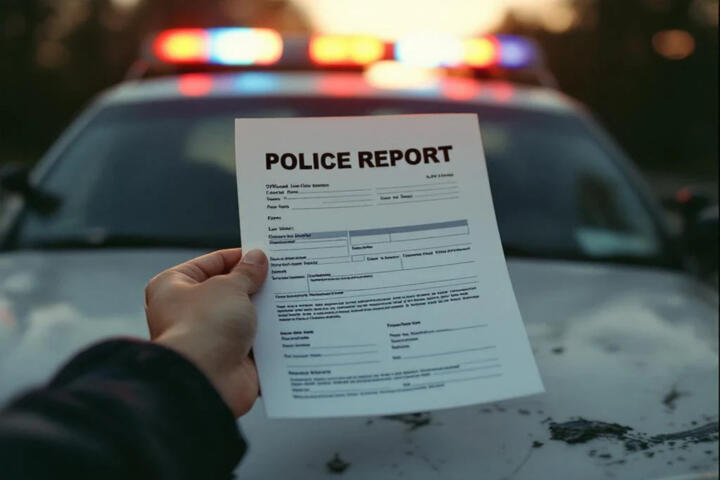
Insurers ask for police reports for car accidents when the report helps them verify key facts: who was involved, where the crash occurred, whether officers observed damage or injuries, and whether a citation or incident number exists. A police report also creates a time-stamped record that can reduce disputes when parties remember events differently. Many claims still proceed without a report, but the insurer’s internal rules and the claim type determine how much weight the report carries.
In practice, the request often appears after the initial notice of loss, when the adjuster checks whether liability is clear and whether medical or property damage needs additional documentation. For example, a minor rear-end crash with photos and witness statements may move forward without a report, while a crash involving injuries, a hit-and-run, or contested fault often triggers a request for an incident number or report copy.
Some insurers also use police report details to match the claim to other records, such as towing logs, repair estimates, or medical billing codes. That matching is not automatic in every case, and it rarely replaces your own evidence like photos, repair invoices, and communications with the other driver.
What People Get Wrong
People often assume insurers require a police report for every accident. Many policies cover property damage and liability regardless of whether police respond, and insurers frequently rely on other evidence when a report does not exist. The misunderstanding usually comes from confusing “police were called” with “a police report is required.” Those are different outcomes.
Another common error is waiting too long to request the report. Even when police respond, the report may take days to become available. If you delay, the insurer may treat the claim as incomplete and ask for the same document again later, which adds friction. I’ve seen adjusters ask for an incident number first, then ask for the final report once it’s released—usually after a few business days, sometimes longer.
People also overestimate what a police report can prove. A report typically reflects what officers observed, what drivers told them, and whether citations were issued. It may not include every detail relevant to insurance coverage, such as the full sequence of lane changes, the condition of tires, or the exact speed at impact. If the report is vague, insurers still look at photos, vehicle inspection findings, and repair documentation.
Supporting technologies and dependencies shape the insurer’s decision. Adjusters often use claim management systems that track document status, and they may cross-check the incident number against internal notes or third-party data feeds. Repair shops submit estimates through insurer portals, and those portals may flag missing liability documentation. When the insurer’s workflow marks a claim as “needs police documentation,” the request becomes procedural rather than purely factual.
Solutions And Advice
Ask For The Insurer’s Rule
Request the adjuster’s document checklist in writing or through the claim portal message thread. Use the claim number and ask whether they need the full report, the incident number, or a “police response verification.” If you’re dealing with a jurisdiction that issues reports in stages, ask what date they expect the final document. A short message like “Do you need the incident number now, and the final report later?” often reduces back-and-forth.
When the insurer says a report is required, ask what happens if it cannot be obtained. Some departments will not release certain details, and some crashes do not generate a report even if police arrive. Clarifying the fallback documentation early helps you avoid repeated submissions.
Document Without A Report
If no police report exists, build a substitute evidence packet. Include: dated photos of all vehicles, visible damage, license plates (if allowed), road conditions, and traffic signals; a brief written timeline; witness contact information; and repair estimates from at least one shop. If there were injuries, include the medical provider’s visit date and a summary of treatment dates rather than sending full medical records unless the insurer requests them.
For property damage, a repair estimate with line-item parts and labor can carry more weight than a narrative statement. If you have a dashcam, export the clip with the timestamp intact. I’ve noticed that some dashcam exports strip metadata; exporting with the original timestamp track in common tools like VLC or the dashcam’s native app (version varies by model) prevents avoidable disputes.
Request The Report Promptly
When police did respond, request the report as soon as the department allows it. Many agencies provide online request portals, but release timing varies by jurisdiction and report type. Track the request date and keep the receipt or confirmation number. If the insurer needs it, ask whether they accept a “receipt of request” while waiting for the final report.
Also check whether the report is under a different name than you expect. Some departments index by incident number, not by driver name. If you only know the street address and approximate time, you may need to provide the other driver’s name or vehicle description to locate the correct incident.
Match Coverage To Evidence
Police reports often matter most for liability disputes, not for every coverage type. If you’re filing a claim under collision coverage for your own vehicle, the insurer may focus on damage documentation and repair costs. If you’re seeking liability coverage from the at-fault driver, the insurer may require stronger fault evidence, and a citation in the police report can influence the adjuster’s assessment.
When fault is contested, the insurer may ask for additional items: scene photos, witness statements, and sometimes a vehicle inspection. If you receive a request for an “independent inspection,” schedule it quickly; delays can extend the claim timeline even when the report is already available.
Case Examples For Real Scenarios
Minor Crash With No Injuries
A driver reports a low-speed rear-end collision in a parking lot. No injuries occur, and police do not write a report because the damage appears minor and both drivers exchange information. The insurer requests photos, a written timeline, and at least one repair estimate. The claim proceeds after the adjuster verifies the damage aligns with the reported impact point and that both parties’ statements do not conflict on basic facts like location and vehicle positions.
In this scenario, the insurer’s decision hinges on consistency across evidence rather than on a police report. If the other driver later disputes fault, the insurer may reopen the request for additional documentation, but it still does not automatically require a police report if none exists.
Injury Crash With Citation
A driver files a claim after a multi-vehicle crash where an officer issues a citation and records an incident number. The insurer requests the incident number immediately and asks for the final police report once it becomes available. The adjuster uses the report to confirm the crash location, the citation details, and whether officers documented visible injuries or statements from drivers.
Even with a police report, the insurer still reviews repair estimates and may request medical documentation limited to treatment dates and diagnosis codes relevant to the claim. The police report supports the liability narrative, but it does not replace damage documentation or the insurer’s coverage review.
Checklist For Decision Support
| Situation | What Insurers Commonly Ask For | Why It Matters | What To Do If Missing |
|---|---|---|---|
| Minor crash, no injuries | Photos, repair estimate, statements; police report only if available | Damage verification and consistency checks | Submit evidence packet and ask what alternative documents satisfy the file |
| Injuries or ambulance | Incident number, police report, and limited medical documentation | Liability and timeline verification | Provide request receipt and treatment dates; follow insurer’s document scope |
| Citation issued | Police report copy or citation details | Fault assessment support | Provide citation number and any officer-provided paperwork while awaiting report |
| Hit-and-run | Police report, incident number, and any vehicle description | Traceability and coverage documentation | Provide police response confirmation and all scene evidence; ask about coverage requirements |
Step-by-step checklist you can follow the same day: (1) photograph the scene and vehicles; (2) write a timeline while memory is fresh; (3) ask the insurer what document they need—incident number, report copy, or both; (4) request the report immediately if police responded; (5) submit an evidence packet if no report exists; (6) track every submission date in a simple log.
Common Mistakes That Delay Claims
Submitting a police report without the insurer’s requested pages or identifiers can slow processing. Some reports include multiple attachments, and insurers may need the narrative section or the citation page. If you upload a partial document, the adjuster may mark the file incomplete and request it again.
Another mistake is sending medical records in full when the insurer asked for treatment dates. That creates privacy risk and increases review time. A safer approach is to follow the insurer’s stated scope and provide only what they request, then ask for clarification if the request is broader than expected.
People also confuse “police report filed” with “police report released.” A department may accept the report for processing but not publish it for days. If you upload a confirmation email that does not include the incident number, the insurer may still be unable to match it to the claim.
Finally, avoid assuming that a police report automatically settles fault. If the report contains conflicting statements or lacks details about traffic control, the insurer may still request additional evidence. In one case I reviewed for a consumer, the report narrative described a stop sign but the photos showed a different sign placement; the insurer asked for a second set of scene photos and a repair estimate that matched the damage profile.
FAQ
Do Insurers Always Require A Police Report?
No. Many claims proceed using photos, repair estimates, and statements when police did not generate a report or when fault is not seriously disputed.
What If Police Respond But No Report Exists?
Ask the insurer whether they accept a police response confirmation, an incident number, or an evidence packet in place of the report.
How Long Does A Police Report Take?
Timing varies by jurisdiction and report type. Some reports become available within a few business days, while others take longer; request the report promptly and ask the insurer what interim documentation they accept.
Does A Citation In The Report Guarantee Payment?
A citation can support fault, but insurers still review coverage terms, damage documentation, and the overall evidence. A citation does not replace the insurer’s coverage review.
Can I Submit A Police Report Later?
Often yes, but delays can extend the claim timeline. Ask the adjuster whether the claim can be processed with an incident number or request receipt while you wait for the final report.
Author's Insight
Insurers typically request police reports when they need a time-stamped, third-party record to support liability and timeline questions. The report’s usefulness depends on what the officer documented, whether a citation exists, and whether the report matches the physical evidence from photos and repairs.
When no report exists, the claim outcome depends on the strength of alternative documentation: consistent statements, scene photos, and repair estimates that match the described impact. Adjusters often use internal document checklists, so asking for the exact required identifiers can reduce delays.
Because report availability varies by jurisdiction, the practical strategy is to submit what you have immediately and track what you still need, rather than waiting for a perfect packet.
Key Takeaways
- Insurers request police reports most often when injuries, citations, hit-and-run events, or contested fault create liability and timeline questions.
- A police report is not always required; evidence like photos, repair estimates, and witness statements can satisfy many claim workflows.
- Ask the adjuster for the exact document requirement (incident number vs full report) and what interim proof they accept.
- If no report exists, submit a structured evidence packet and follow the insurer’s requested scope for medical documentation.
- Track submission dates and upload complete pages that match the insurer’s checklist to avoid repeated requests.