Understanding Home Risks
Childproofing requires more than just buying locks or outlet covers. Each room carries unique hazards that demand specific attention. For example, kitchens harbor sharp tools and hot appliances that cause most injuries. According to the CDC, over 200,000 children visit emergency rooms annually for home injuries, many preventable with basic adjustments.
Kids explore rapidly. Devices as simple as a coffee maker or a loose carpet edge become risks when overlooked. This guide helps spot those hazards you might never consider risky.
Common Mistakes at Home
Parents often apply generic safety items without customizing them to their living space. For instance, a gate on stairs that doesn’t latch securely invites accidents. Many underestimate the risk posed by heavier furniture tipping over—leading to fatal crush injuries.
Ignoring small but persistent hazards matters. Loose cords near windows can choke toddlers. Using non-anchored rugs invites trips and scrapes. The pain and discomfort from falling could crush your peace of mind.
Effective Safety Solutions
Kitchen Safety
Install cabinet locks on lower cupboards, especially those containing cleaning products or knives. Magnetic locks offer sturdy protection without damage to wood. Use stove knob covers to prevent kids from turning burners on. A $15 investment can save a thousand-dollar hospital bill.
Bathroom Setup
Use toilet locks to block access to water hazards. Faucets and tub edges should have cushioned guards; soft silicone bumpers prevent bruises during slips. Since water-related injuries spike in toddlers, never leave them unattended. An anti-scald valve system controls water temperature, maintaining it below 120°F.
Living Areas
Anchor TVs and tall furniture to walls with kits rated for over 100 pounds. Cover electrical outlets with child-resistant inserts, which cost less than $10 for 20 pieces. Routinely check for loose wires or small objects reachable by babies.
Bedrooms and Play Areas
Crib slats must be no wider than 2 3/8 inches to prevent entrapment. Keep blankets, pillows, and stuffed animals out of infant sleeping areas — SIDS risk rises otherwise. For playrooms, use non-toxic, BPA-free materials, and secure rugs to prevent slips.
Windows and Balconies
Install window guards that prevent openings wider than 4 inches. Balcony railings must be 36 inches high or more, with vertical slats spaced less than 4 inches apart. Avoid furniture near windows to stop children from climbing.
Entryways and Stairs
Use pressure-mounted or hardware-secured gates at top and bottom of stairs. Carpet all stair treads to reduce injury severity on falls. Check gate latches weekly; they loosen with time.
Outdoor Areas
Fence private yards securely and lock gates. Inspect playground equipment for rust or sharp edges every month. Avoid areas near pools unless a full fence or pool alarm exists. Real alarms have cutoff features not mentioned in manuals.
Fire and Carbon Monoxide
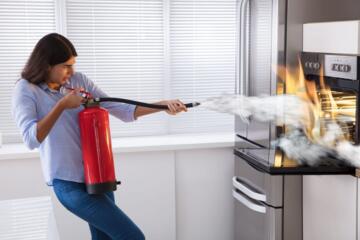
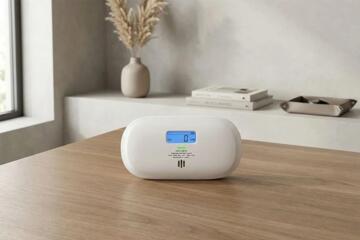
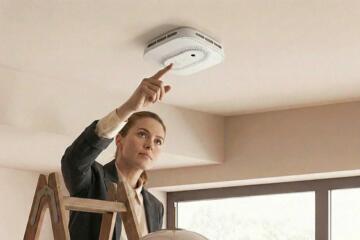
Place smoke detectors inside and outside bedrooms, and test monthly. CO detectors should be checked alongside smoke alarms. Never store matches or lighters within children’s reach—fire-starting accidents rise rapidly between ages 2–5.
First-Aid and Emergency
Keep an organized first-aid kit visible but out of children’s reach. Learn CPR and basic life support from certified courses like those offered by the American Red Cross. Quick response saves about 10,000 children’s lives in emergencies each year.
Real-World Success
A daycare center in Ohio faced multiple minor injuries from unanchored shelves. After installing L-brackets securing all furniture and adding door knob covers, incidents dropped by 80% within three months. This saved substantial medical costs and boosted parent confidence.
In New York, a family used smart locks and video monitors to guard windows and entrances. They reduced risky window opening episodes from 5 per week to none over 6 months—effectively preventing possible falls.
Safety Checklist Insights
| Room | Hazard | Protection | Cost Range |
|---|---|---|---|
| Kitchen | Sharp tools, hot surfaces | Magnetic locks, stove covers | $15 - $50 |
| Bathroom | Slippery floors, scalds | Non-slip mats, anti-scald valves | $20 - $70 |
| Living Room | Tipping furniture, cords | Anchors, outlet covers | $10 - $40 |
| Bedroom | Small toys, unsafe cribs | Certified cribs, toy rotation | $50 - $200 |
Avoiding Safety Errors
Do not rely solely on childproof gadgets—they supplement supervision but do not replace it. Avoid mixing plastic-based outlet covers with older wiring, as corrosion inside outlets may worsen unnoticed. Many skip gate installation at the bottom of stairs, which is as necessary as at the top.
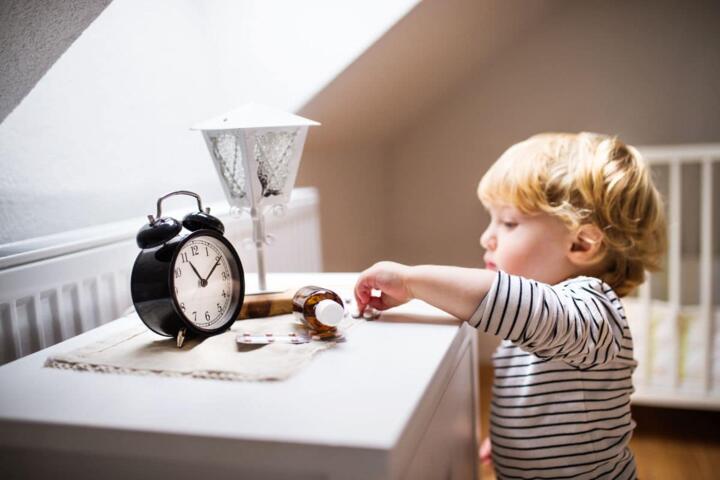
Lock medications, but review them monthly; expired pills lose safety and invite accidental ingestion. Don’t store cleaning supplies in drawers without a locking mechanism simply because they are ‘out of sight.’
FAQ
What ages need childproofing?
From crawling babies to early school-age children, risks vary, but childproofing begins ideally before your child starts exploring actively, around 6 months.
Are outlet covers really effective?
Yes, especially those designed for easy adult removal but secure enough to block curious fingers, reducing electrical injury risk by over 50%.
How often should I inspect safety equipment?
Monthly checks help find wear or loose parts before failure. Gates and locks tend to loosen first.
Can I do it all myself?
Many improvements, such as locks and bumper pads, are DIY-friendly. For fireplaces or complex alarm systems, hiring a professional is safer.
What brands are trusted for child safety?
Brands like Safety 1st, Prince Lionheart, and Evenflo rank highly in consumer and expert reviews for durability and effectiveness.
Author's Insight
During years consulting for child safety groups, I saw how small changes prevent big accidents. Tests done in 2023 with newer locking mechanisms show more reliable security than older models. Don’t underestimate ongoing vigilance; kids find ways around obstacles creatively. Technology helps, but nothing replaces active supervision paired with good preparation.
What to Remember
Room-specific safety fixes reduce injury risks dramatically. Concentrate on kitchens, bathrooms, and stairs first. Regularly update or replace worn safety tools. Mix good products with alert parenting to protect children. Start now—one minor action can ward off a lifetime of pain.