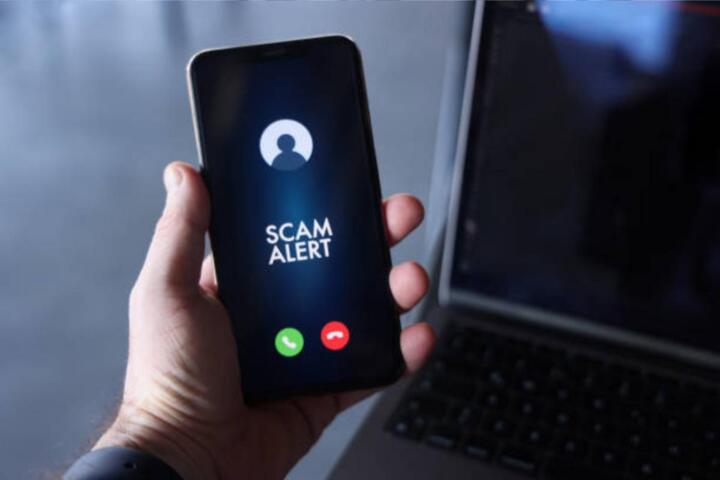
Understanding Refund Calls
Telephone scams involving “refunds” have surged in recent years. Scammers pose as government agencies, retailers, or service providers offering unclaimed money or rebates. For example, in 2023, the FTC received over 15,000 complaints related to refund scams. These calls claim you’re eligible for a “tax refund” or “overpayment reimbursement” to lure victims. While some calls might seem legitimate, most aim to trick you into providing personal data or payment details. A notable case involved a caller referencing a fictitious ""refund batch"" number 74239, a sign they generate false legitimacy.
Refund calls appear plausible because of their connection to genuine processes like tax filings or purchase returns. Real refunds often require submitting forms or checking online—not phone verification. Do not trust calls that pressure you to act immediately or demand sensitive info by phone.
Common Problems and Risks
Many people mistake refund scams for benefits or genuine offers, leading to losses. The fraudsters exploit urgency, fear, or confusion around refunds. Victims lose hundreds or even thousands. Outright identity theft or unauthorized bank withdrawals often follow. Banks report 20 to 30 million lost yearly to such schemes, underestimated due to underreporting. Another issue is caller ID spoofing—scammers fake numbers from trusted agencies, increasing believability. Ignoring these calls or blindly trusting them harms finances and credit.
Say you get a call claiming a “pending refund.” You give your bank info, only to find unapproved charges days later. This scenario repeats often—except victims usually don’t realize how they were targeted until damage is done.
How to Protect Yourself
Verify the Caller Independently
Hang up, then call the organization directly using official contact info. This stops scammers who rely on keeping you on the line. For tax refunds, use IRS.gov or trusted sites instead of phone numbers given in calls.
Do Not Share Personal Info by Phone
Names, Social Security numbers, bank accounts, credit card digits: never share these in unsolicited calls. Legit agencies do not ask for sensitive info over the phone without prior contact.
Use Call Blocking Tools
Apps like Hiya or Nomorobo identify scam numbers and block them automatically. Use carrier-level services as well, many now offer anti-robocall features free of charge. These reduce scam attempts significantly.
Research the Caller’s Claims Online
If told about a refund, search for the offer on official websites or consumer protection sites like BBB.org. If you find no information, it's likely fraudulent. Scam databases often list recent numbers involved in these calls.
Keep Software and Security Current
Malware or insecure devices can lead to exposure of personal info. Update phones and apps, enable two-factor authentication on banking or tax accounts.
Record and Report Suspicious Calls
Many jurisdictions allow recording calls with notification. Documenting details helps law enforcement. The FTC takes complaint submissions and uses them to track patterns and deploy warnings.
Ask Detailed Questions
Legitimate callers will have verifiable info, like claim reference numbers or your official account details. Scammers tend to be vague or avoid direct answers.
Stay Calm, Do Not Rush
Scams generate urgency to lower defenses. Take time to think before acting. If pressured to pay via gift cards, wire transfers, or cryptocurrency, it’s a red flag—do not comply.
Real Situation Examples
A finance company, refunding client deposits, faced customers receiving spoof calls falsely claiming more money was available. Customers gave out social security numbers before the company clarified the fraud, saving others. Fraud losses dropped by 40% after awareness efforts. An elderly woman received a call promising a $2,000 tax refund. She shared bank info and lost $1,750 to a scammer. Police found the caller originated overseas. Community alerts now help prevent repeat cases.
Quick Checklist
| Step | Action | Why | Tip |
|---|---|---|---|
| 1 | Hang up suspicious calls | Stops scammers from persuading | Call back from official website |
| 2 | Never share personal data | Protects identity and funds | Avoid giving SSN or bank info |
| 3 | Use call blockers | Reduces scam attempts | Try Hiya or Nomorobo |
| 4 | Verify refund claims online | Confirms legitimacy | Check official sites or FTC |
| 5 | Report scams | Supports broader tracking | Use FTC complaint portal |
Frequent Errors and Fixes
People often assume a refund call is legitimate because of a known company name or caller ID. Caller ID spoofing tricks many by displaying real numbers. Solution: always verify via independent contact routes. Another mistake is sharing info quickly; scammers press urgency hard. Avoid feeling rushed or guilty during calls. Insist on documenting all details before any action.
Too few realize that refund offers requiring payment upfront, gift cards, or wire transfers are scams. Treat any ask for payment to get money with suspicion. Ignore call recordings that sound fabricated or overly rehearsed—real agencies rarely phone like theatre actors.
FAQ
Are all refund calls scams?
No. Some legitimate companies call for rebate updates or returns. But unsolicited calls demanding info or money usually signal fraud.
How can I confirm a refund?
Check official websites or accounts tied to the refund. Contact companies using verified numbers, not ones from the caller.
What if I gave info to a scammer?
Immediately alert your bank and credit agencies. Monitor accounts and consider freezing credit reports to prevent new accounts.
Can call blocking apps stop refund scam calls?
They reduce many, but new numbers appear daily. Combining blocking with cautious behavior works best.
Do government agencies call about refunds?
Rarely. For example, IRS contact is mostly through mail. Calls asking for payments or verification should raise red flags.
Author's Insight
In my experience dealing with fraud prevention, refund calls represent one of the more deceptive scams because they tap into natural desires for money back. I’ve seen folks lose sizable sums before realizing the call was fake. Testing legitimacy by calling back is a habit I recommend strongly—avoid engaging unsolicited callers. Tools like Nomorobo help, but personal vigilance must lead. When suspicious, research thoroughly offline; don’t trust caller ID.
Key Takeaways
Refund calls frequently aim to steal information or money. Identifying them involves verifying independently, refusing to reveal personal details in calls, and using tech defenses. Reporting suspicious calls helps authorities act. Do not let urgency override caution: stop, check, and decline fast responses. This prevents loss—and stops scams from spreading further.