Why Home Security Matters
Leaving for vacation creates an opening for criminals. FBI statistics show burglaries spike by about 35% during summer months when many homes sit empty. Homes with visible signs of vacancy invite break-ins; discarding mail, unkempt lawns, and dark windows signal no one’s around. Blocking these clues reduces risk.
Even short trips attract opportunistic thieves. A common case: unattended homes in weekend getaway towns suffer more thefts precisely because owners neglect basic checks. Installing a few security measures can reduce burglary chances by up to 50%, according to a 2022 study by the National Council for Home Safety and Security.
Fail to plan, and you might return to damage costing thousands in loss and repair. The goal isn’t paranoia but preparedness. I found out myself the hard way in 2017—after a two-week absence, my neighbor caught a trespasser thanks to a timed lighting setup I had installed. The thief left quickly, no break-in.
Simple steps often get overlooked. For example, disconnecting garage door openers from cars that remain parked is rarely done, yet easily exploited. The right preparation changes the story.
Be proactive.
Common Security Pitfalls
Thinking a deadbolt alone will deter burglars misses multiple angles of attack. Many rely solely on locking doors and windows; some skip locking sliding glass doors. Burglars exploit these vulnerabilities, especially if nobody appears home.
Leaving spare keys outside under doormats or plant pots has been a decades-long habit, but burglars know those hot spots. Social media oversharing is another loophole. Vacation photos posted in real time signal an empty home clearly—and invite digital prowlers who might cross-check address details or patterns to decide when to strike.
Failing to have neighbors watch the house or collect mail for more than a day creates obvious signs of absence. In 2020 alone, local police in a mid-sized American city reported over 120 burglaries linked directly to untouched mailboxes and newspaper piles signaling vacancy.
Alarm systems left inactive or omitted entirely undermine safety. Some people disable security monitoring to avoid fees or because they believe the system triggers false alarms often—which is true, but ignoring systems invites actual risk.
Small issues add up.
Effective Steps and Tools
Install Smart Lighting
Using smart bulbs with timers or motion sensors around entrances replicates occupancy. I prefer Philips Hue bulbs with routines set weeks in advance. Motion-triggered porch lights, especially LED, deter by surprising intruders with sudden light. According to a 2021 report by Safewise, homes with exterior motion-sensor lighting saw a 30% drop in burglaries.
Secure All Entry Points
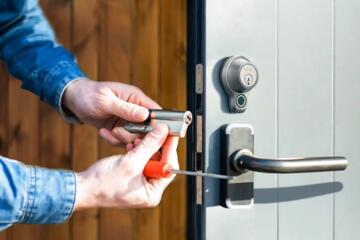
Doors with solid wood or metal cores resist force better. Check sliding glass doors: add anti-lift pins and place a wooden dowel in tracks to block sliding. Window locks must work—replace any broken latches. Remember to lock basement and garage doors, too. Schlage deadbolts rated ANSI Grade 1 have outperformed others in tests for resisting forced entry. They cost around $50-$70 per unit but last for decades.
Use Monitored Security Systems
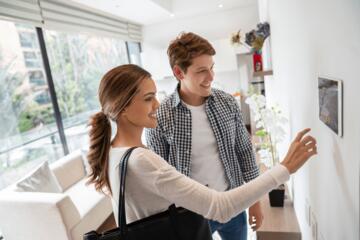
Systems like ADT or Ring secure cameras linked to real-time alerts and emergency response. I tested Ring Pro (version 5.32) recently; its two-way audio and cloud recording picked up suspicious activity instantly, enabling authorities to respond faster. Monthly monitoring runs roughly $30, but platforms allow flexibility with installation and add-ons like flood and glass-break sensors.
Ask Neighbors for Help
Inform a trusted neighbor or two about your absence. Ask them to pick up mail, mow the lawn, and park in your driveway occasionally. This outdoors activity disrupts patterns monitored by surveillance services. Neighborhood watch groups increase vigilance collectively. A friendly neighbor saved my family from a package theft while we were away by receiving deliveries inside their porch.
Hold Mail and Deliveries
USPS offers free mail-hold service up to 30 days. Use it. Leaving a mailbox stuffed with letters screams vacancy. Similarly, pause subscriptions for packages or reroute them to a secure locker. Amazon Hub Lockers or UPS Access Points can protect your parcels from porch pirates during trips.
Use Security Cameras Wisely
Placing cameras in visible spots deters intruders better than hidden units. Ring, Arlo, and Nest cams provide live feeds via phone. Check battery life and signal strength before leaving. Camera lights must not go out unexpectedly during long trips. Continuous monitoring requires 60+GB monthly data on average for HD feeds, so network capacity matters.
Manage Social Media Sharing
Delay posting vacation snapshots until after returning. Disable location tagging and avoid public posts mentioning travel dates. Burglars use social data in combination with physical surveillance to plan break-ins. Even friends’ comments like “Have fun!” can tip off adversaries.
Secure Valuables Smartly
Hide valuables in safes bolted to walls or floors. Cheap safes fail easily. Invest in fire-rated, burglary-resistance certified models with changeable combination locks. Don’t leave jewelry, cash, or documents in obvious places. I store emergency documents digitally encrypted and backup valuables photos on the cloud; physical copies in a locked safe.
Simulate Normal Activity
Timers on radios or TVs mimic presence. Adding light timers inside rooms or devices like LIFX switches adds to the effect. Motion sensors in hallways randomize light patterns. Realistic patterns confuse observers during longer trips.
Real-Life Examples
A small business owner in Denver left home unattended for three weeks in 2019. They installed a monitored Ring alarm plus motion lights on all entrances. Their neighbor checked mail daily. No attempts on the house were reported. Insurance premiums dropped by 12% the following year due to security upgrades.
Conversely, a family in Orlando suffered a break-in after neglecting mail and social media controls. Packages piled up, and multiple Facebook posts confirmed their absence. The intruder took electronics worth $7,500. Neighbors said the house looked vacant from the street.
Checklist for Travel Security
| Task | When to Do | Tools/Service | Outcome |
|---|---|---|---|
| Lock All Doors | Before Leaving | Graded Deadbolts | Physical Barrier |
| Hold Mail | 1 week Prior | USPS Service | No Visible Absence |
| Set Timers | Before Leaving | Smart Bulbs | Mimic Occupancy |
| Inform Neighbors | Days Before | Neighbors, Community | Ongoing Watch |
| Use Cameras | Before Leaving | Ring, Arlo, Nest | Surveillance |
| Avoid Social Posts | During Trip | Privacy Settings | Reduced Risk |
Errors to Watch For
Failing to double-check locks turns shorter trips into riskier ones. Sometimes people close doors but only engage one deadbolt, not both. You want two-pin deadbolts on exterior wooden doors. Missing the garage door or pet doors, which are common, invites trouble without obvious signs.
Over-reliance on a single approach also backfires—smart cameras won’t protect a house if Wi-Fi is down or power is cut; a blackout during storms, common in my area. Backup batteries or cellular alerts provide security when the network fails.
Ignoring yard maintenance looks lazy but signals vacancy. Insect nets or covering plants might hide overgrowth, but passive signs like unattended leaves and dripping gutters tell stories too. The effort should be physical and visual.
Leaving keys with someone who never checks in regularly or you don’t trust is risky. I learned the hard way in 2015—someone misplaced my spare. Nobody should hold spare keys without accountability or times set for visits.
Postpone bragging on social media until safely home.
FAQ
How early should I prepare home security?
Start securing your house at least one week before your trip. This includes setting timers, notifying neighbors, and pausing deliveries to avoid last-minute rush or missed steps.
Are visible cameras better than hidden ones?
Visible cameras act as a deterrent by warning potential burglars they are being watched. Hidden cameras may catch crimes but do not prevent break-ins as effectively.
What’s the best way to handle mail?
Use official mail-hold services offered by the postal service, or arrange for a neighbor to regularly collect it. A full mailbox practically invites theft or vandalism.
Can lights alone stop burglars?
Lights help but don’t replace locks or alarms. They reduce risk by creating the impression of occupancy but should be combined with physical security measures.
How do I secure sliding glass doors?
Add anti-lift hardware, place a wooden rod in the track, and install key-operated locks. Weak locks or no backup allow easy entry.
Author's Insight
I’ve spent years managing home security before and after travel. From experience, layering physical locks, technology, and social tactics makes a tangible difference. Early preparation pays off massively, as last-minute scrambling rarely covers all risks. Never underestimate neighbors’ vigilance—they act as extra eyes. The tech is great, but basics like locking doors and holding mail remain my first priority.
What to Remember
Prepare to leave with more than a packed suitcase. Lock doors solidly, use timers and cameras for presence, pause mail, and keep neighbors informed. Steer clear of social media announcements during trips. These combined steps cut exposure to burglary by large margins. The goal is a home that doesn’t invite trouble even if the toughest thief passes by.