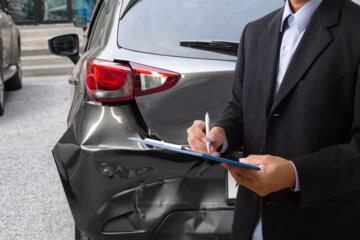
No Insurance Aftermath
Being involved in a car accident without insurance is a stressful situation with serious repercussions. States require auto insurance to cover damages and injuries, but nearly 13% of U.S. drivers skip it — risking penalties and financial ruin. Imagine hitting someone’s car or worse, causing injuries. Without insurance, the burden falls squarely on you.
For example, New York mandates liability coverage with minimum limits of $25,000 per person for injury and $50,000 per accident. If caught uninsured in an accident, you face not only costs for damage but fines and license suspensions. The costs can spiral and lead to courtroom battles.
Accidents happen fast. In 2019 alone, over 6 million crashes occurred in the U.S., with uninsured drivers accounting for a disproportionate share of legal troubles.
Call 911 first. Then think carefully before making offers or accepting blame on the spot.
Issues Without Coverage
People often believe they can dodge consequences by skipping insurance or that their savings can cover damages. They don’t realize how quickly costs escalate—repair bills, medical expenses, and lawsuits add up. Liability claims can run into tens of thousands, beyond what most have saved.
One driver, hit in Florida without insurance, faced over $40,000 in vehicle repair and personal injury claims. The court ruled against him, leading to wage garnishment. That’s a reality many don’t prepare for.
Others misinterpret police or DMV procedures, missing timely reporting requirements that trigger harsher penalties. Another trap is misunderstanding state-specific uninsured motorist laws. Some states demand uninsured drivers file SR-22 forms, a certificate of financial responsibility, imposing higher insurance premiums for years.
Failure to report an accident in 24 hours, a requirement in many states, can result in fines upward of $500 or even jail. Most drivers don’t know this until it’s too late.
Uninsured Drivers Strategies
Report the Accident Promptly
Filing a police report within the designated timeframe, usually 24 hours, helps avoid legal aggravation. The police record establishes facts needed in court or with the DMV. Skipping this can mean automatic penalties, doubling fees or suspensions.
Contact a Lawyer Early
Legal counsel can clarify your rights and obligations, especially in states with complex liability laws. Attorneys often negotiate damage settlements to reduce or manage immediate financial exposure. Many offer free initial consultations, like firms using Clio Manage version 5.4.
Explore Payment Plans or Negotiations
Some plaintiffs accept delayed payments or reduced sums if you demonstrate good faith. Renegotiating hospital bills or partnering with credit counseling can mitigate debt accumulation. It may not erase debt but eases the financial pressure during recovery.
Consider SR-22 Insurance Immediately
This certificate, not a traditional policy, proves financial responsibility. It’s mandatory in most states after an accident uninsured. Costs spike but reinstates your legal driving status. Agencies like Geico or Progressive offer SR-22 filings starting around $150 annually.
Record All Communications
Document every interaction with insurers, medical providers, or claimants. Notes help prevent misunderstandings or fraudulent claims. Apps like Evernote or even simple journals aid in maintaining accurate records.
Evaluate Uninsured Motorist Funds
Some states maintain funds to cover damages when uninsured drivers cause accidents. Eligibility varies; for instance, California’s Motor Vehicle Accident Indemnification Fund handles such claims but requires meeting strict criteria. Applying might recover some losses if other options fail.
Pursue Insurance Post-Accident
Immediately obtaining coverage after an accident lowers risks of future penalties and prepares you if another incident occurs. Even minimum liability plans help build your driving record anew, avoiding repeat issues and sometimes reducing rates within 12 months.
Practice Defensive Driving and Risk Reduction
Attending state-approved defensive driving courses can sometimes reduce fines or points on your record. Courses from companies like the National Safety Council vary by state but often cost less than fines themselves.
Know Your State’s Specific Laws
Each state’s insurance and accident laws differ. Consult DMV websites or local agencies regularly. Ignorance isn’t an excuse — for instance, Texas mandates both liability and personal injury protection, making uninsured crashes more complicated.
Real Life Examples
In Illinois, a 2021 case involved Juan Rodriguez, an uninsured driver who rear-ended a car on I-55. The damage was $12,000, and the injured party claimed $30,000 in medical fees. Juan quickly hired an attorney, filed the necessary reports, and negotiated a payment plan covering $25,000 total over two years. This prevented wage garnishment and avoided jail.
A different scenario unfolded in Georgia, where Lisa Tran caused a collision while uninsured. She skipped reporting for three days, resulting in license suspension and a $1,200 fine. Subsequent legal fees pushed her total costs above $18,000. This case exemplifies why immediate reporting matters, even if coverage is missing.
Checklist: What to Do After
| Step | Action | Why | Result |
|---|---|---|---|
| 1 | Call police | Create official record | Proof for claims/legal uses |
| 2 | Exchange info | Identify parties involved | Supports restitution efforts |
| 3 | Notify DMV | Legal compliance | Avoid fines & penalties |
| 4 | Consult a lawyer | Understand rights & reduce risk | Better negotiation & outcomes |
| 5 | Get SR-22 insurance | Reinstate driving privileges | Drive legally, avoid future fines |
| 6 | Record all details | Prevent misunderstandings | Solid evidence & defense |
Common Pitfalls
Ignoring required reports leads to escalating legal trouble. Some wait days to contact police or DMV, triggering fines or license revocations. Others falsely assume verbal promises resolve claims — they don’t.
Failing to hire legal help often multiplies liabilities. Self-negotiation rarely yields favorable terms without expertise, especially with larger injuries. Another mistake: accepting blame immediately at the accident scene, exposing yourself to liability without evidence.
Late insurance purchase after an accident doesn’t erase previous violations. You remain flagged as high risk, and insurers might refuse coverage or charge premiums three to five times higher. In some states, new policies start with a ""probation"" period limiting payments if accidents occur again.
FAQ
Can I drive after an accident uninsured?
In most states, no. You risk immediate license suspension and new fines. You must obtain SR-22 proof of insurance to regain legal driving status.
Who pays for damages if I'm uninsured?
You are personally liable. The injured party can sue you, and courts may garnish wages or place liens on property.
Will the police arrest me for no insurance?
Usually, police issue citations or fines, not arrests. However, repeated offenses or causing major injury can lead to arrest.
Can I sue the other driver if they were at fault?
Yes, but recovery depends on that driver’s insurance and assets. Without insurance on either side, court battles become more complex and costly.
Is it cheaper to pay fines than get insurance?
No. Fines add up, and the lack of insurance leaves you exposed to massive out-of-pocket expenses from accidents.
Author's Insight
I've worked with dozens of drivers who faced harsh consequences for uninsured accidents. The single most effective step? Contacting a qualified lawyer immediately. It never stops being frustrating how often people skip reporting or legal help. And buying insurance after an accident isn’t just about compliance—it’s a shield for the future. I advise all clients to prepare financially and legally in advance, even if coverage feels expensive.
Final Thoughts
Accidents without insurance trigger complicated legal and financial fallout. Immediate reporting, legal consultation, clear documentation, and following state-specific rules reduce risks. Obtaining SR-22 insurance and exploring payment plans help manage costs. Avoid ignoring deadlines or trying to handle claims alone. Act swiftly and thoughtfully to protect your ability to drive and your wallet.