Travel Medical Insurance
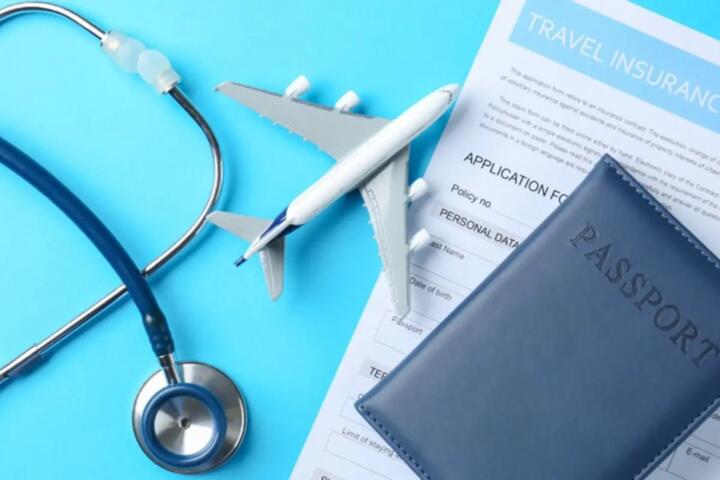
Travel medical insurance covers emergency health care expenses while traveling outside your home country. This includes hospital stays, surgeries, and sometimes evacuation back home. For example, the average emergency room visit in the US costs more than $1,200, and a medical evacuation can reach $50,000 or more.
Even on trips lasting less than two weeks, accidents or sudden illnesses can lead to expensive bills. A hiking accident in the Rockies or food poisoning in a foreign country might mean unexpected hospital time or ambulance rides. These costs add up quickly without coverage. The main factors to consider are the length of stay, destination, and personal health risk.
Pitfalls Travelers Face
Many people underestimate travel risks on short trips. The assumption that ""it won't happen to me"" leads to skipping medical insurance. They rely on their domestic health plan, which often limits or excludes coverage abroad.
Consequences include large out-of-pocket expenses or delayed care while sorting medical bills. For instance, a traveler with no insurance might pay $10,000 for an emergency appendectomy abroad. This gap in understanding can derail travel plans fast.
In addition, travelers miss coverage for medical evacuation or treatment refusal if funds run low, which can worsen outcomes. Medical care abroad varies widely—countries like Mexico or Costa Rica offer fairly affordable options, while others like Australia or Japan tend toward higher costs. Getting caught without insurance can turn a short trip into a financial burden.
How to Decide
Assess your trip risks
Consider your activities, destination, and health conditions. Adventure sports, remote locations, or places with limited medical infrastructure increase risk. If you're flying to a popular European city for a short conference, risk lowers but doesn’t disappear. Most insurers price premiums from about $10 to $50 for a week, depending on age and coverage.
Check existing health coverage
Many domestic health plans do not cover non-emergency foreign care or only reimburse partial costs. Medicare, for instance, rarely covers international travel. Review your policy carefully to understand gaps. Combine your knowledge with comparison tools like Squaremouth or InsureMyTrip for quotes.
Choose the right coverage amount
For short trips, limit coverage to immediate emergency care and evacuation rather than extended treatment. Policies offering $50,000 to $100,000 emergency coverage with evacuation are common and affordable. Supplemental options like dental or trip interruption can add costs but usually aren’t critical for a brief stay.
Use companies with global networks
Brands like Allianz Travel, AXA Assistance, and World Nomads have strong reputations and 24/7 hotlines. Their networks can facilitate direct billing with hospitals, reducing out-of-pocket costs and stress. Even on day two of my 2022 trip to Thailand, quick access to such services was a lifesaver when a minor fracture happened.
Evaluate your budget
Compare insurance costs to the potential financial hit from an emergency. Spending $30 on a 5-day trip for travel medical insurance might avoid thousands in bills. People tend to skip insurance to save money but end up paying triple after an incident.
Consider trip length and frequency
Frequent short trips may benefit from annual plans, offering better value than buying coverage each trip. These plans cost around $150 to $300 annually for typical coverage and reimburse doctor visits, hospital stays, and evacuations worldwide for up to 30–90 days per trip.
Review policy fine print
Short trips require clear understanding of exclusions, waiting periods, and claim processes. For example, a policy might exclude pre-existing conditions or activities like scuba diving, even if covered generally. I once had to clarify this detail for a friend traveling to Florida, which, frankly, most travelers overlook.
Real Traveler Examples
A solo traveler in their 40s visited Spain for six days. During a city walk, they twisted their ankle, requiring emergency care and crutches. With a $25 travel medical policy through Allianz, they paid no upfront hospital fees and later reimbursed $1,500 in medical bills, compared to a $3,500 estimate without insurance.
An executive on a four-day work trip to Singapore developed severe food poisoning. Without coverage, hospital charges exceeded $2,000 out-of-pocket. They switched providers after and chose an annual travel policy through AXA for $250—a cost-effective safety net for short business trips throughout Asia.
Coverage Options Checklist
| Feature | Basic Plans | Annual Plans | Addon Options |
|---|---|---|---|
| Distance Limit | Worldwide | Worldwide | Trip Cancellation |
| Coverage Max | $50K to $100K | $100K to $250K | Evacuation Upgrade |
| Cost Range | $10-$50 per trip | $150-$300/year | Dental Care |
| Duration | 1-30 days | Up to 90 days per trip | Adventure Sports |
| Claim Process | Email, app upload | Hotline, direct billing | Trip Delay Reimbursement |
Errors Travelers Make
Skipping insurance is the main error. Travelers often assume credit cards cover health emergencies. But many cards cover only accidents, not illnesses, or have strict claim limits.
Another mistake: buying plans with insufficient evacuation coverage. Evacuations are expensive and quick action matters. A policy might appear cheap with a $10,000 limit but fall short during real emergencies that run to $50,000.
Also, ignoring exclusions or pre-existing condition clauses can cause claim rejections. Many policies exclude chronic illness treatment. Travelers should declare medical conditions honestly and choose accordingly. Doing otherwise wastes money and delays treatment.
FAQ
Do I need travel medical insurance for a 3-day trip?
It depends on destination and activities. For high-risk locations or remote areas, yes. For nearby urban travel with good health coverage at home, may not be necessary.
Will my domestic health plan cover me abroad?
Most plans limit or exclude foreign emergency care. Medicare rarely covers international trips. Confirm coverage details before relying on domestic insurance.
Is travel medical insurance expensive for short trips?
No. Basic plans often start around $10 for a week, varying by age, destination, and coverage.
Can I buy insurance after the trip starts?
Some providers allow same-day purchase, but waiting periods or exclusions might apply. Buying before departure avoids surprises.
What happens if I don’t buy it and get sick abroad?
You may pay thousands out-of-pocket and face delays in treatment or evacuation, which can complicate recovery and finances.
Author's Insight
On short trips, I’ve seen people decline travel medical insurance to save $20, then face emergency bills tenfold. My experience shows the peace of mind it brings justifies the expense, even for brief travel. Choosing providers with clear claim support cuts stress if something goes wrong. I recommend annual plans if you travel several times yearly—they spread risk and simplify management. The few minutes spent comparing policies often save days of headaches.
Key Takeaways
Travel medical insurance can protect your wallet and health even on trips under two weeks. Weigh your destination, planned activities, and existing coverage against potential emergency costs. Opt for straightforward policies with solid evacuation options and understand exclusions well. Buying smart coverage before leaving can prevent out-of-pocket expenses in the thousands. Save yourself trouble—don’t skip it, especially if your trip involves physical activity or remote areas.