Understanding Overcharges
Getting your car repaired often comes with a surprise bill. Overcharges happen when shops charge more than the agreed estimate or bill for unnecessary work. According to the Federal Trade Commission, up to 20% of consumers report overbilling in auto repairs annually, which can add hundreds in unexpected costs. Imagine a brake job estimated at $300 that ends up $500 after shop explanations shift—it’s a real headache. One shop added a ""premium"" oil change fee without mention. The shock sinks in fast.
Common Billing Mistakes
Most drivers assume the shop’s invoice is final and correct. That mindset leads to paying without question. Ignoring receipts cluttered with vague items invites repeated overcharges. Problems arise when labor hours stretch, parts aren’t itemized, or fees get inflated secretly. Consequences drain wallets and trust—some lose thousands this way. One friend accepted a $1,200 charge for ""diagnostic time"" that took barely half an hour, realizing the markup too late. Not double-checking could cost you far more in the long run.
Steps to Fix Overcharges
Ask for a Detailed Invoice
Demand line-by-line billing before authorizing repairs or paying. This clarity cuts guesswork and puts pressure on honesty. A transparent bill lists parts, labor hours, hourly rates, and taxes clearly. Shops complying tend to have fewer billing disputes. Most state laws, such as California’s Automotive Repair Act, require this practice. Use it as leverage.
Compare Estimates
Collect 2–3 quotes for major jobs online or in-person. A very high invoice signals a red flag. Use platforms like RepairPal or YourMechanic for regional cost benchmarks. If your bill exceeds the average by 25% or more, get a second opinion. This step saves around 15% on average repair costs per Consumer Reports data.
Speak Calmly with the Manager
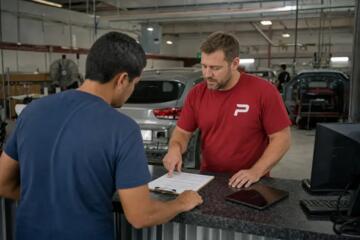
Directly addressing discrepancies with a shop supervisor often resolves issues quickly. Present your findings and previous quotes. Avoid emotional outbursts; they cloud clarity. Instead, ask for explanations on questionable charges politely but firmly. Most reputable businesses want to keep customers and may adjust or offer discounts. My experience with a local Napa AutoCare Center in 2022 showed how calm persistence can recover $150 wrongly billed.
Use Consumer Protection Resources
File complaints with the Better Business Bureau, state automotive boards, or the FTC if needed. These agencies often mediate and have records affecting shop reputations. In 2023, over 30,000 complaints on BBB related to auto repair billing came through, leading to numerous refunds. They rarely act alone; prepare your documentation thoroughly.
Pay by Credit Card
Use credit cards to pay repair bills so you have stronger dispute options through the card issuer. Banks allow chargebacks for fraudulent or misleading charges within 120 days, which is an important financial safeguard. Debit cards or cash don’t offer this protective window. This advice emerged after seeing several friends struggle to get refunds off cash payments.
Document Everything
Keep written estimates, invoices, email correspondence, and notes from phone calls. Photos of car parts before the service can also help disprove unnecessary replacements. A detailed record with dates and names aids complaints and legal cases. Documenting helps you avoid regrets when shops deny responsibility.
Request a Second Opinion on Repairs
Before approving costly fixes, get a mechanic not affiliated with the first shop to inspect your vehicle. If the second opinion contradicts the initial recommendations, you’re on solid ground to reject or renegotiate charges. This tactic prevented a $900 transmission rebuild that was actually unneeded—a mechanic found a loose hose instead.
Know Your State Laws
Some states cap labor rates, require signed estimates before work starts, or enforce itemized billing. Familiarity with these rules prevents shops from exploiting your ignorance. For example, in New York, shops must give a written estimate if the job exceeds $100. Knowing local rules arms you with legal standing and confidence.
Consider Mediation or Small Claims Court
If informal attempts fail, smaller claims work well for disputes under $10,000. Mediation services provide a neutral platform to settle without expensive lawsuits. Winning often depends on your documentation and how clearly you present your case. It’s an option many overlook due to hesitation or lack of knowledge.
Real Overcharges Examples
AutoFix Garage in Minneapolis faced a complaint in 2023 for billing $450 for a $250 brake replacement. The customer documented the original estimate and the parts receipt, then escalated to consumer protection. The shop issued a full $200 refund after mediation. Meanwhile, a family in Austin faced a bill 40% over the original quote for an AC repair. They demanded a detailed invoice citing Texas mechanics regulations and negotiated a 30% discount without legal escalation. Both cases prove that preparation and persistence pay off.
Spot Overcharges Checklist
| Sign | Action | Tool | Outcome |
|---|---|---|---|
| Unclear invoice | Request itemized bill | Written estimate | Avoid hidden fees |
| Price above average | Get multiple quotes | RepairPal site | Know market rate |
| Extra labor hours | Ask time logs | Shop management software | Confirm hours worked |
| Unauthorized repairs | Reject/verify before pay | Customer agreements | Avoid bogus charges |
| No warranty info | Request warranty terms | Written policies | Support future claims |
Errors to Avoid
Don’t just pay without looking at the bill carefully. Rushing into agreeing often leads to missed overcharges. Avoid vague or verbal estimates; always get written ones. Don’t hesitate to challenge fees; silence often means acceptance. Don’t forget to keep copies of all documents and photos from drop-off. Lastly, don’t ignore signs of rushed work just for speed—shoddy repairs hide as much as expensive bills do. I admit, I once accepted a $50 part charge without checking; lesson learned.
FAQ
How can I tell if a repair shop overcharged me?
Compare your final invoice to your original estimate and typical repair costs online. Check if labor hours are reasonable and parts are documented. If discrepancies exceed 20%, question the charges.
What should I do if the shop refuses to explain charges?
Ask politely for a detailed breakdown and contact consumer protection agencies if they don’t comply. Use your credit card company’s dispute options if necessary.
Can I get a refund for an overcharge?
Refunds are possible through negotiation, mediation, or legal claims if the shop charged for unauthorized or unnecessary services.
Is it common for shops to charge extra parts fees?
Parts fees can vary, but they should always be listed clearly. Beware of ""handling"" or ""premium"" fees not mentioned upfront.
How do I avoid overcharges in the future?
Get multiple written estimates, approve work before it starts, keep detailed records, and pay by credit card for added protections.
Author's Insight
Overcharging at repair shops is a persistent issue I’ve encountered multiple times in my 15 years working in auto service. The best defense is preparation—document everything before signing anything. You must speak calmly but firmly; shops respect knowledgeable customers. And don’t underestimate the power of a well-timed second opinion. I’ve seen disputes resolved without lawyers, just clear evidence and persistence.
Final Thoughts
Overcharges can sneak into your car repair bill in many ways. Fight back by demanding clear invoices, comparing prices, and knowing your legal rights. Keep detailed documentation, use consumer protections, and carefully challenge unfair fees. These steps help you avoid losing hundreds—sometimes thousands—on repairs you never agreed to.